Japan loves its long weekends. I couldn’t tell you why I have so many Monday’s off, but you’d best believe I’m not complaining about it! I honestly can’t remember how exactly this trip came to fruition, except that Rosie and I met up to study Japanese and ended up studying no Japanese and instead planned a four day road trip.
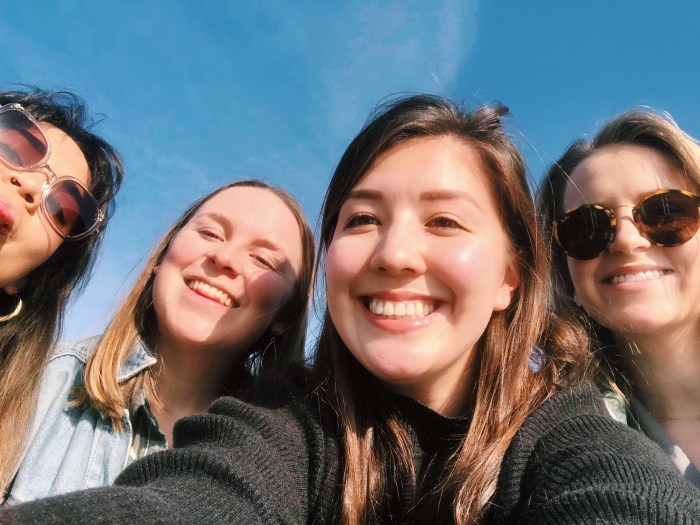
Rosie, Kitanna, Josie, and I woke up early on a Friday morning to hit the road, heading south. After about five and a half hours in the car, chatting, singing, and listening to a rather heavy audiobook, we arrived in Tamano, Okayama. We scarfed down a quick lunch then checked into our trailer hotel. Yes, you read that correctly: we stayed in a trailer.
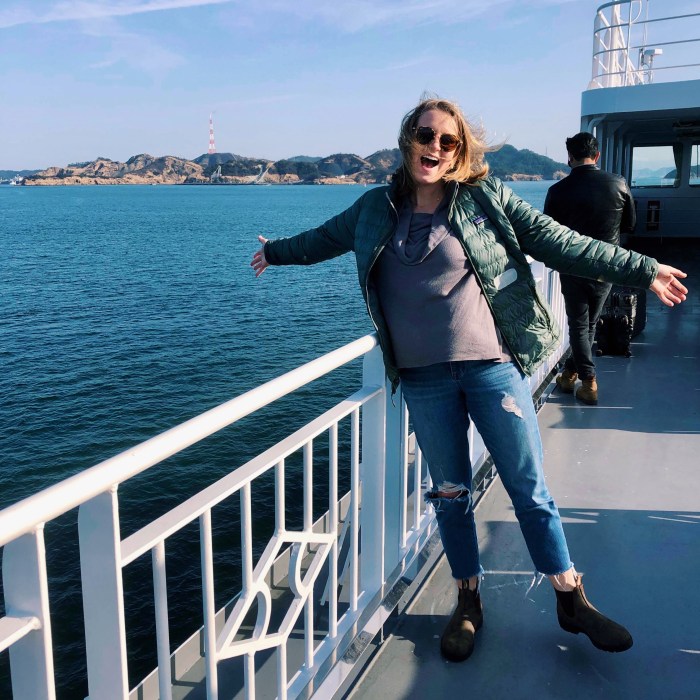
We dropped our things, hurriedly threw on cute clothes in hopes of minimizing the appearance of having spent the whole morning in the car, and raced over to the port. Naoshima, or Japan’s art island, is a twenty minute ferry ride from our lovely trailer. We soaked in the views and the glorious feeling of sun on our faces after a long winter living in Japan’s rainiest prefecture.
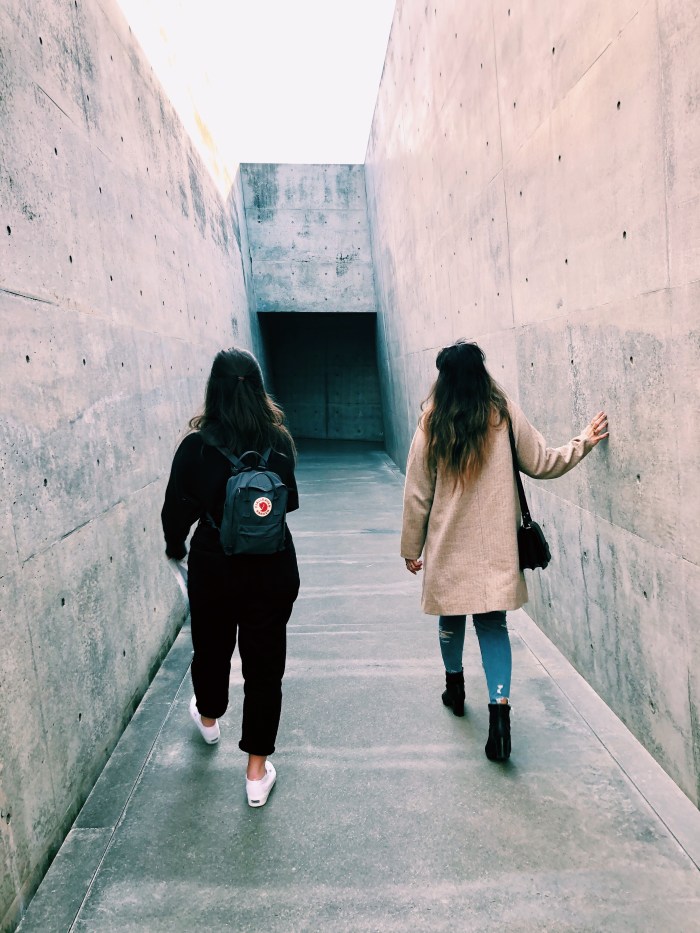
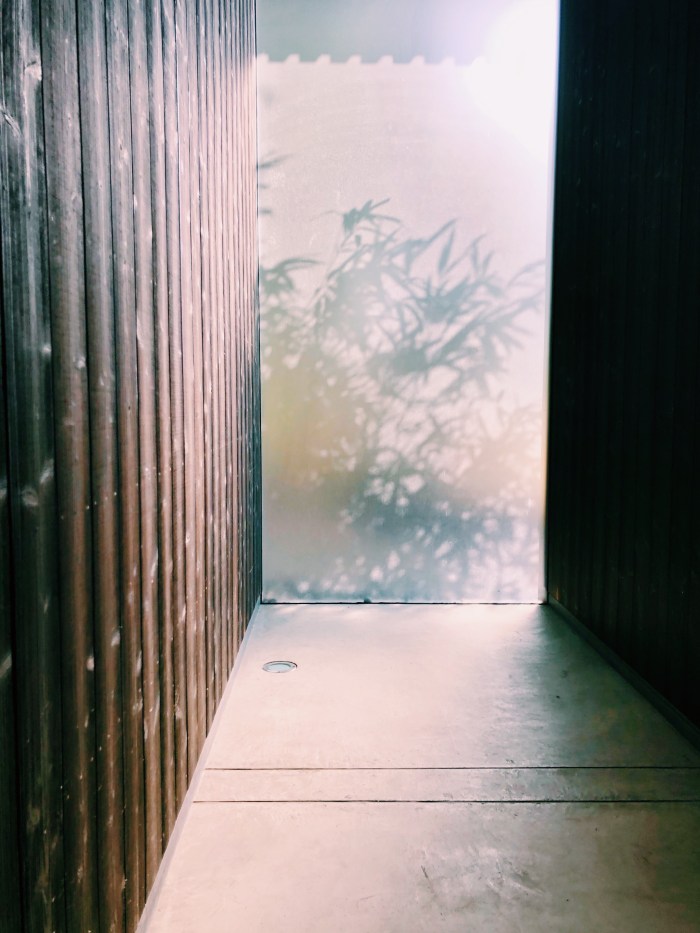
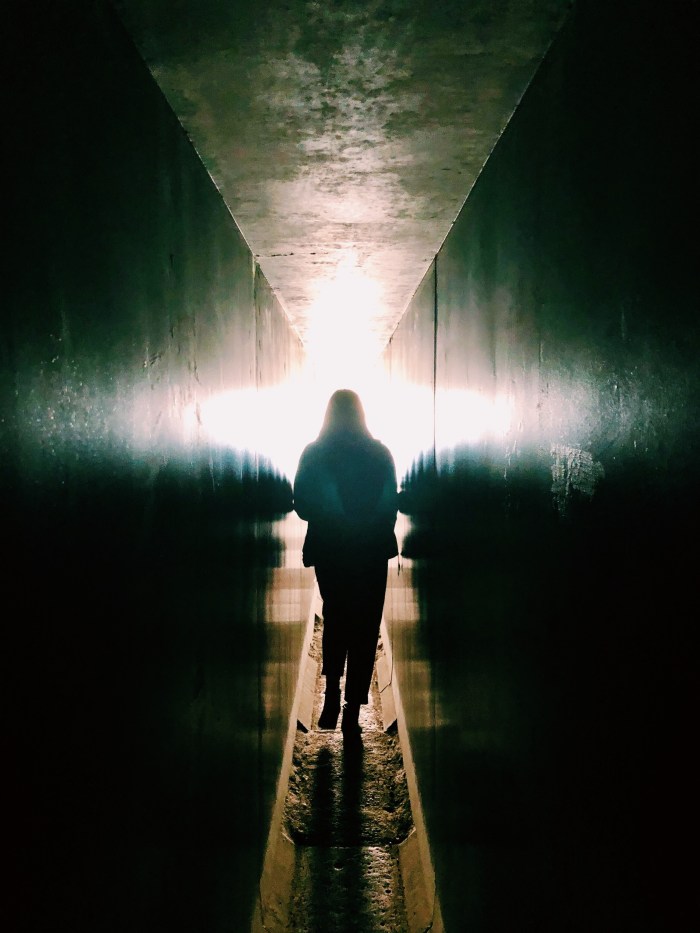
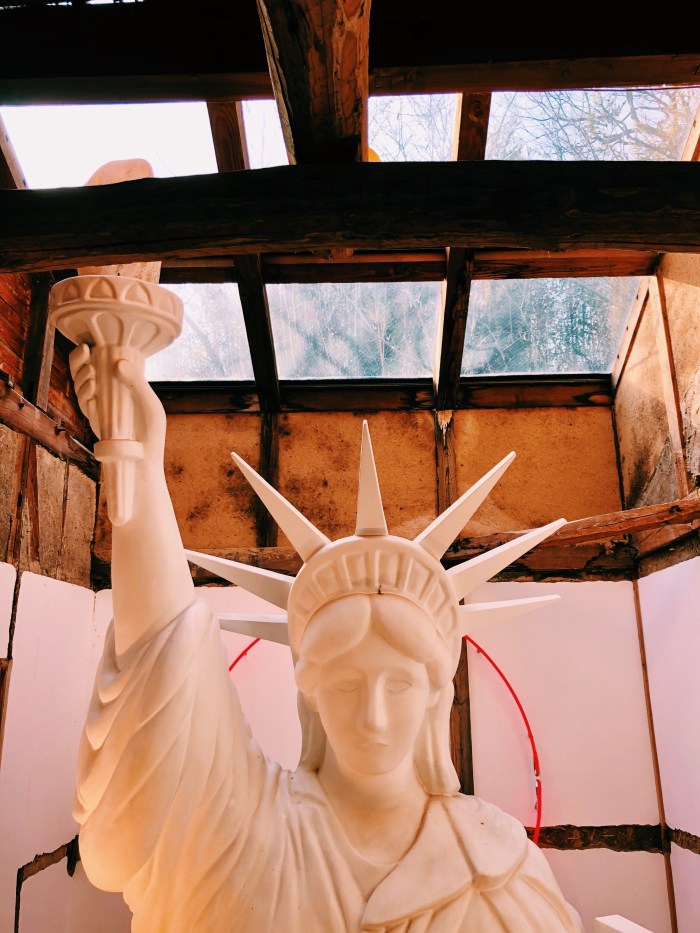
Our first stop was the Chichu Art Museum, arguably the most famous museum on the island. They don’t allow photography within the museum, which of course made me want to photograph everything 10x more. I snapped a few cheeky pics, but you’ll have to rely on my sub-par description to really get the idea of the museum. The architecture of the museum itself was phenomenal. Many of the exhibits plays off light, so most of the spaces had little to no actual artwork in the traditional sense, but rather created artwork with the natural light. There were also five Monet pieces in the museum, which were stunning, and their display was designed beautifully. The museum only has about five different exhibits, but each of them made me feel as if I was meant to be a part of the artwork rather than just an observer.
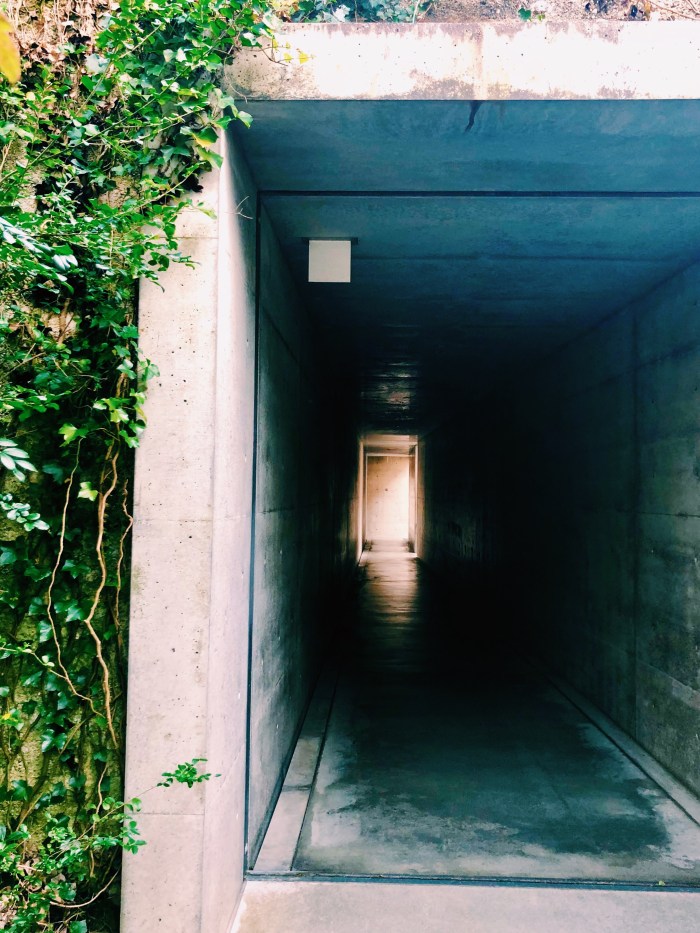
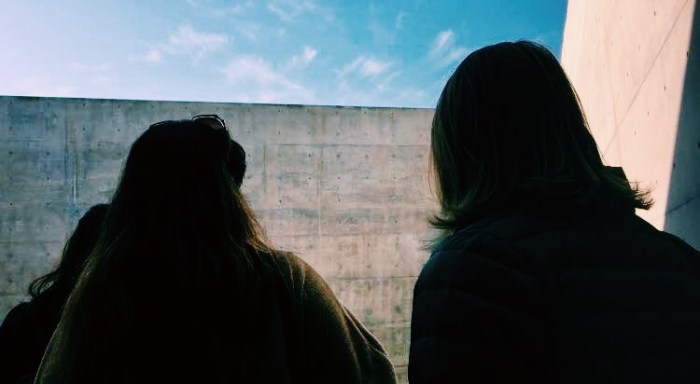
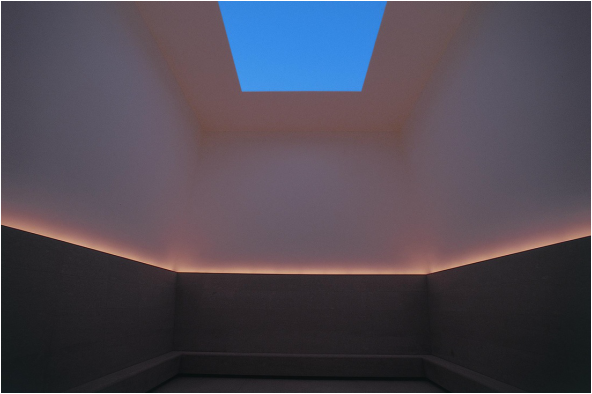
After going through the museum in the afternoon, we went back for a special sunset exhibition. We retraced our steps to a square room that had benches lining the walls and a square cut-out in the ceiling. The twenty other guests and I sat in utter silence as we watched the sun go down through the hole. As lights changed the color of the walls, the way your eyes perceived the color of sky changed as well. I believe I was alone in this though among my friends, but I found it almost unsettling looking up at a green sky. My eyes were seeing something that I knew was not reality.
Feeling dazed after the meditative experience, we walked back towards the port to the Naoshima Bath House. My friends and I have become quite the onsen fanatics. I think that will be one of the biggest things I miss when leaving this country. Most onsens are very traditional with no decoration, however, this onsen was brimming with art. There was a giant elephant statue, neon lights, and the bottom of the bath was covered in collages. It felt more Vegas than Japan.
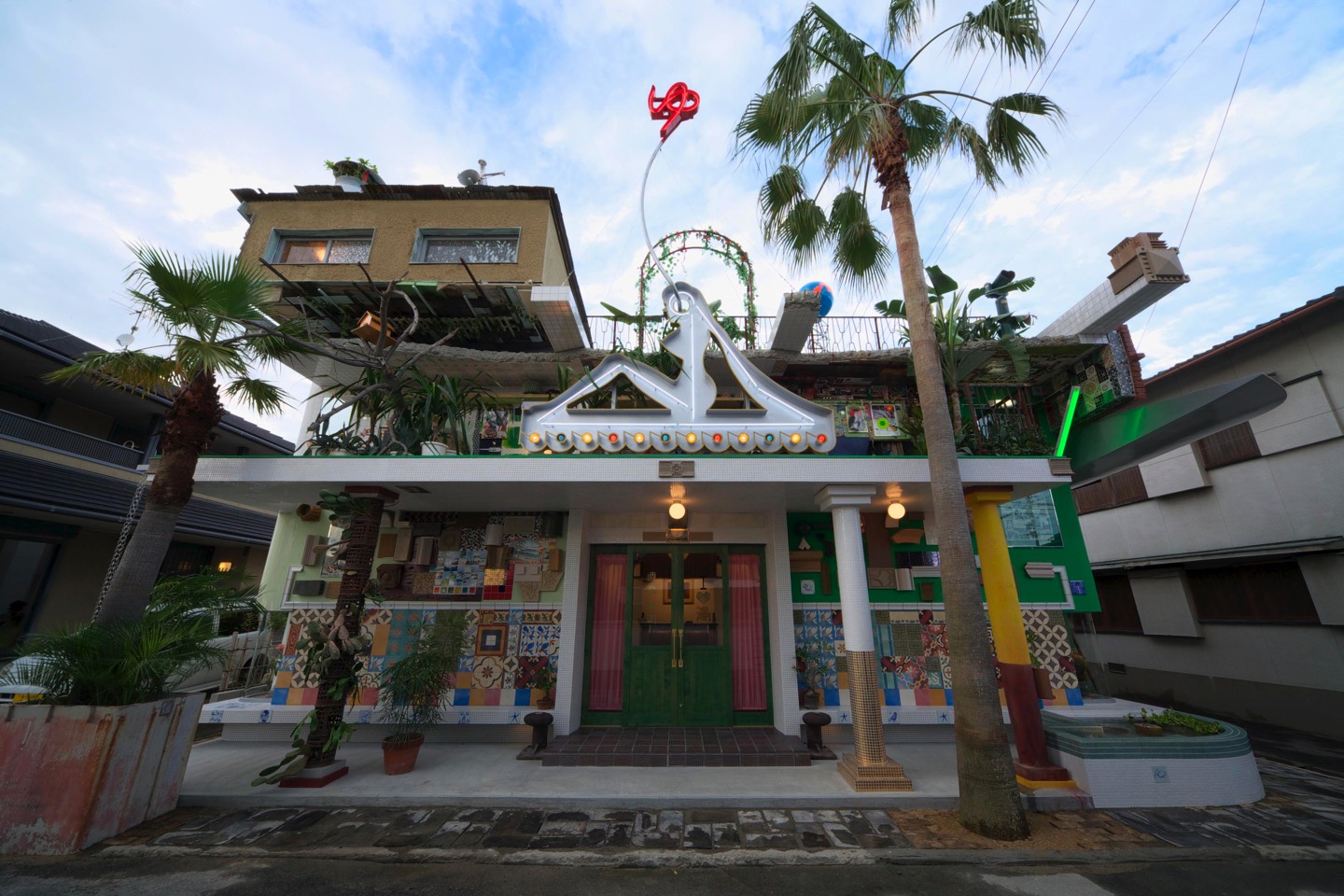
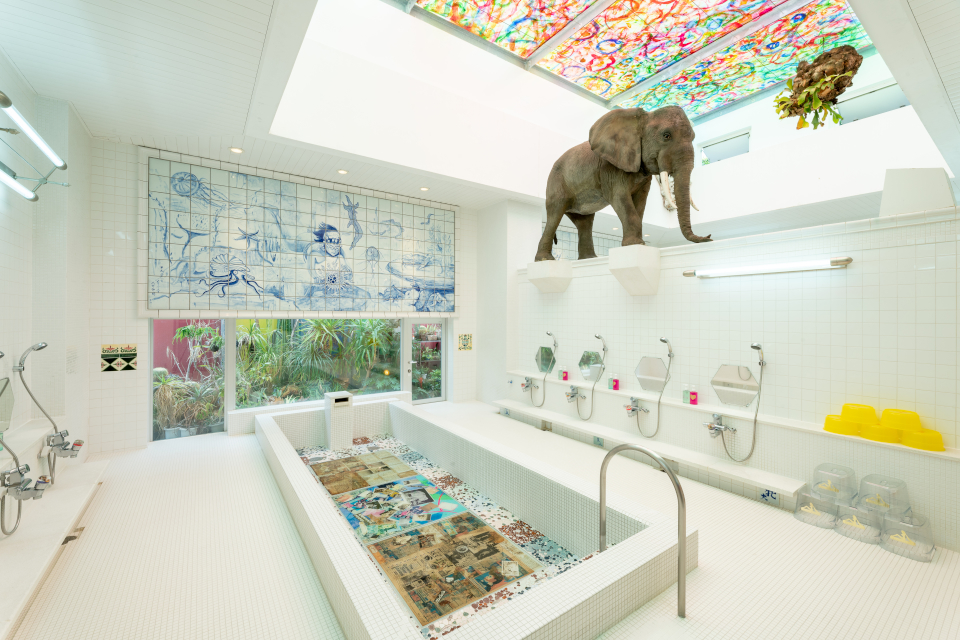
… and another one because photos aren’t allowed inside onsens.
We had a slow start to Saturday, taking the ferry back over to Naoshima and then settling into a Tim Burton themed cafe to enjoy breakfast and watch the rain fall. After a fair amount of time relaxing and sipping coffee, we finally mustered up the energy to make our way to the Benesse museum. This was another “no photo” zone, but here they weren’t quite as aggressive in their enforcement of that, so I was able to snap a few more pictures. Once again, the architecture of the building itself was incredible, and I really loved the pieces displayed in the museum.
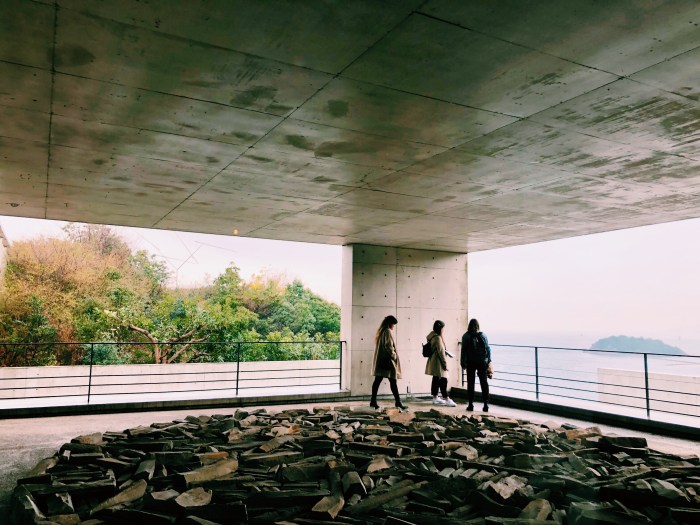
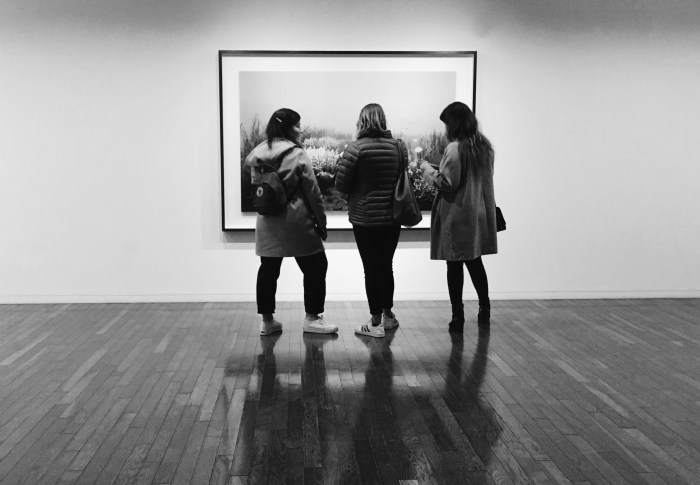
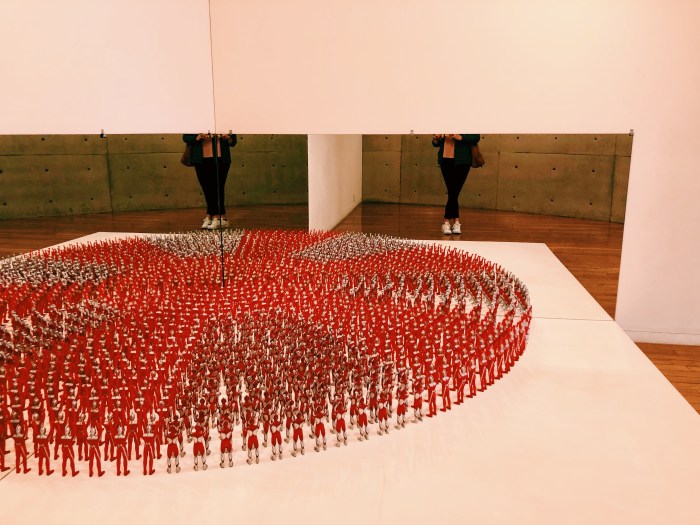
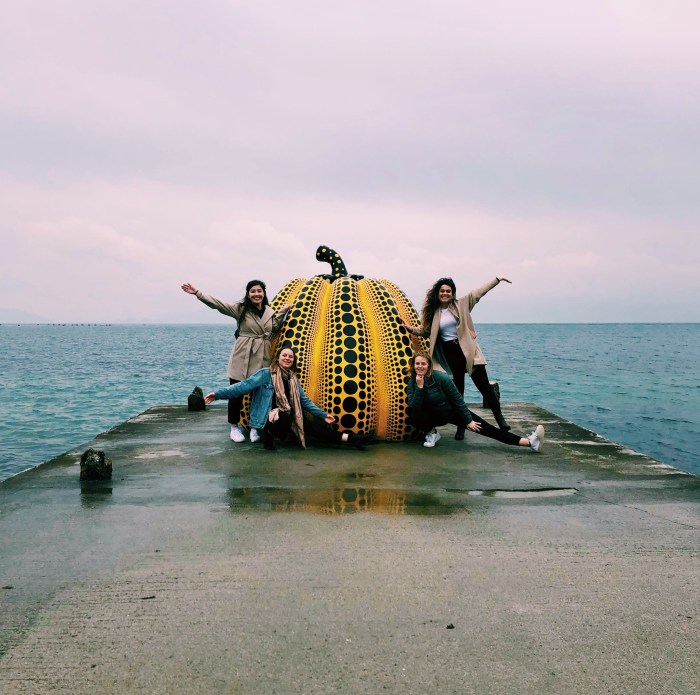
Once we left the museum we were able to stroll along the coast and see some beautiful pieces of artwork littered all over the island. One of the most famous is Yayoi Kusama’s Yellow Pumpkin. We also had great fun in a mirror-like room where you can see your face combined with the person’s on the other side of the wall.
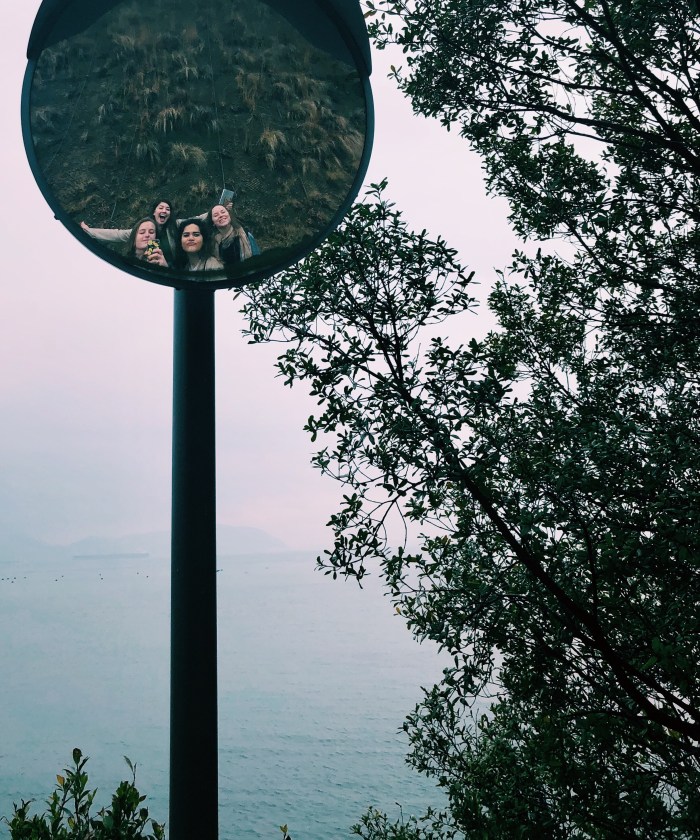
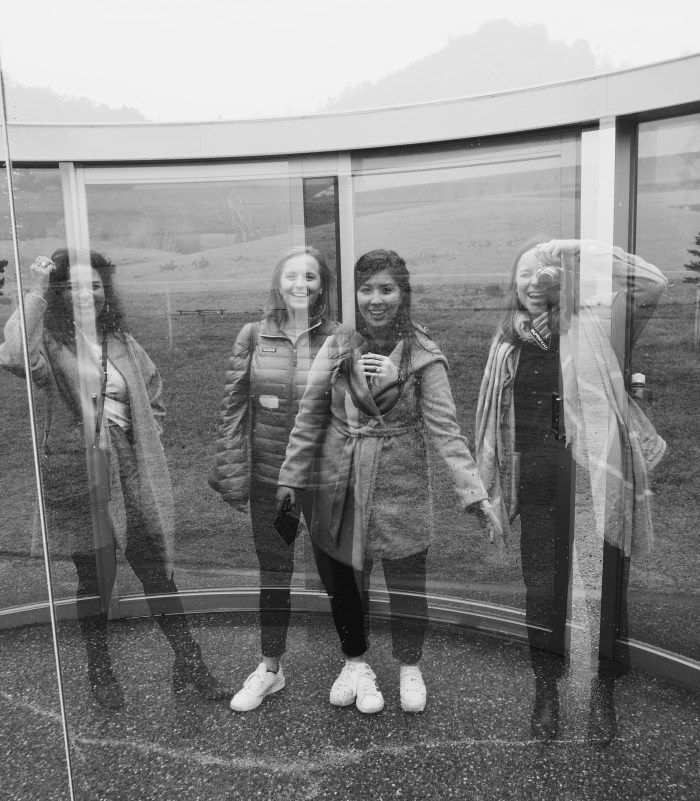
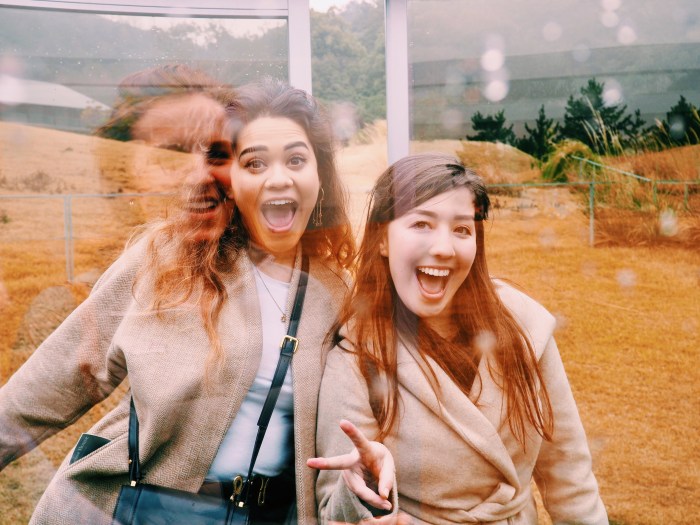
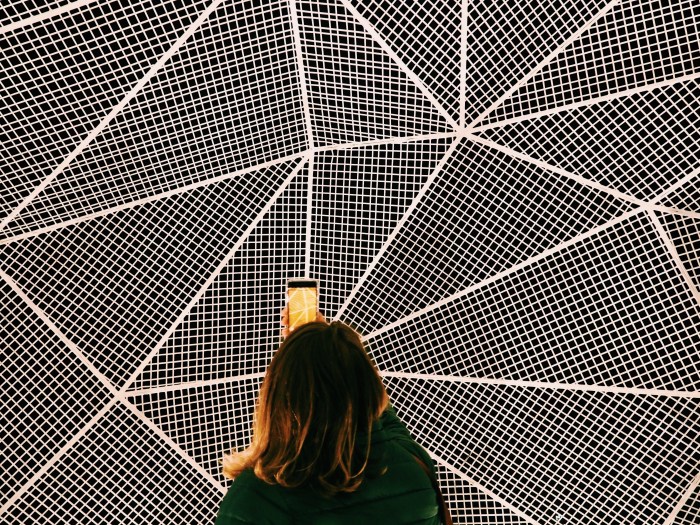
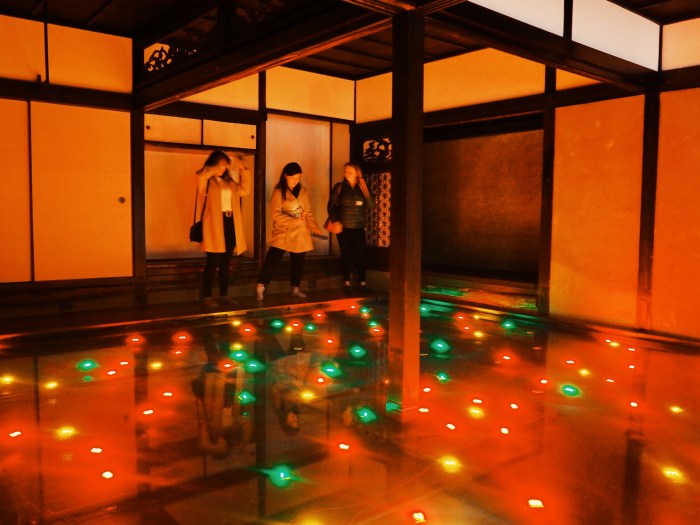
After enjoying a nice lunch, we began exploring the Art House Project, six different houses scattered throughout the village which each displayed a different exhibition. We hadn’t intended to go to all of them, but once we had seen four of them, we decided we might as well check off all six. I’m very glad we did, as some of the ones we really wanted to see weren’t as impressive as ones we’d never heard of. I think my favorite was entering a pitch black room where we sat down on a bench and were told to sit there for fifteen minutes. During that time, our eyes adjusted and we were able to see a screen of light in front of us. We learned at the end of our time in the room the screen has been there, producing the same amount of light since we’d walked in, yet it took our eyes all that time to be able to see anything. Then, at the end, we were told to go touch the screen, and it was actually not a screen at all, but a rectangular hole cut into the wall.
Our plan at this point was to split up. One of Rosie’s goals in coming to Japan was to visit all four of its main islands. As that was not something I am particularly interested in, but visiting Hiroshima had been on my list, I decided to drive a few more hours south with Kitanna while Rosie explored Shikoku and Josie saw even more art islands (Naoshima is not the only one).
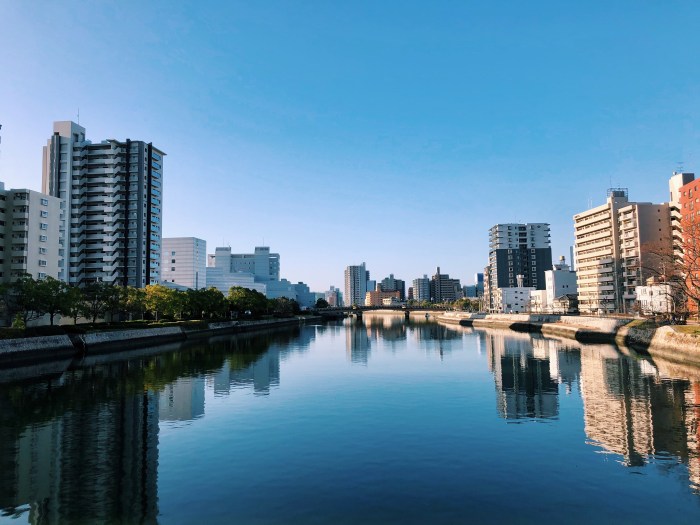
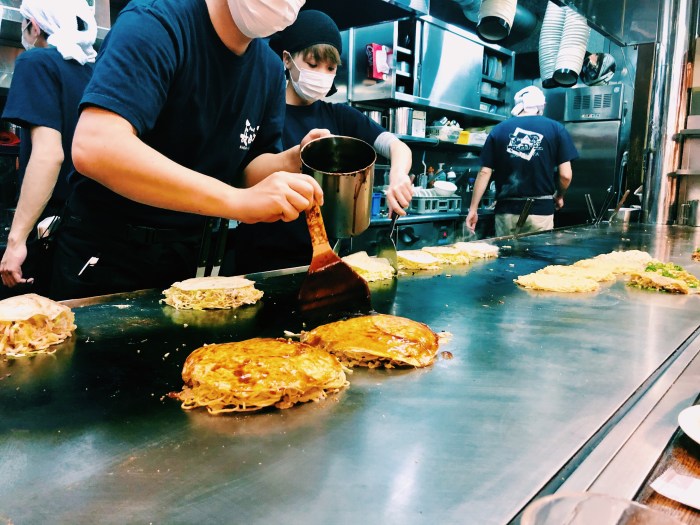
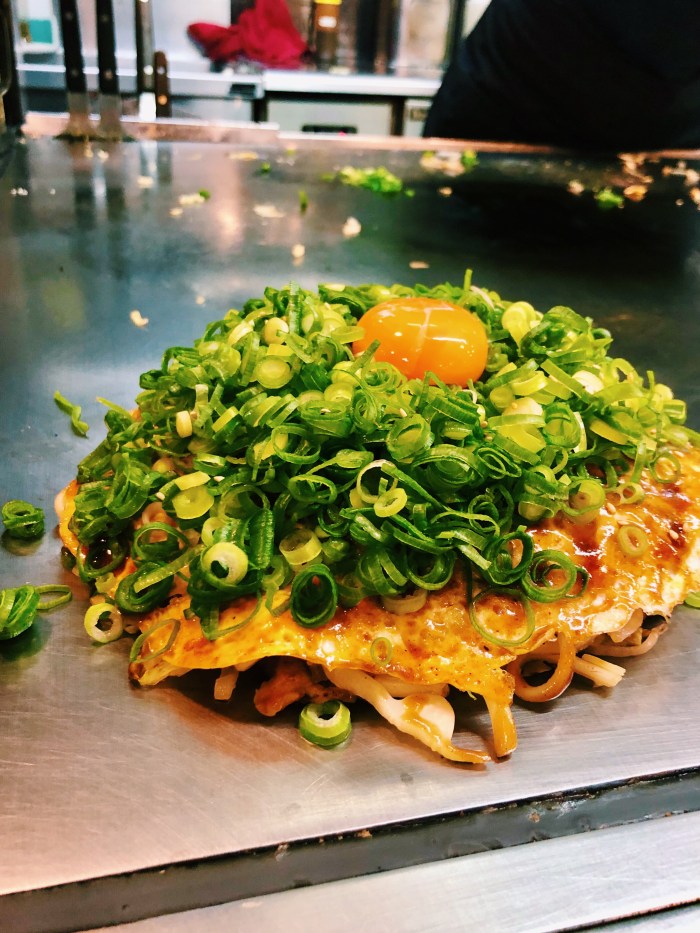
Upon our arrival in Hiroshima, Kitanna and I probably should have gone and checked in with our hostel, as the check in window was about to end, but instead we went straight to an okonomiyaki restaurant. Okinomiyaki is a giant savory pancake and is particularly famous in the Hiroshima region. It was delicious and well worth potentially not being able to check into our hostel (it didn’t turn out to be a problem at all, but definitely caused a bit of worry).
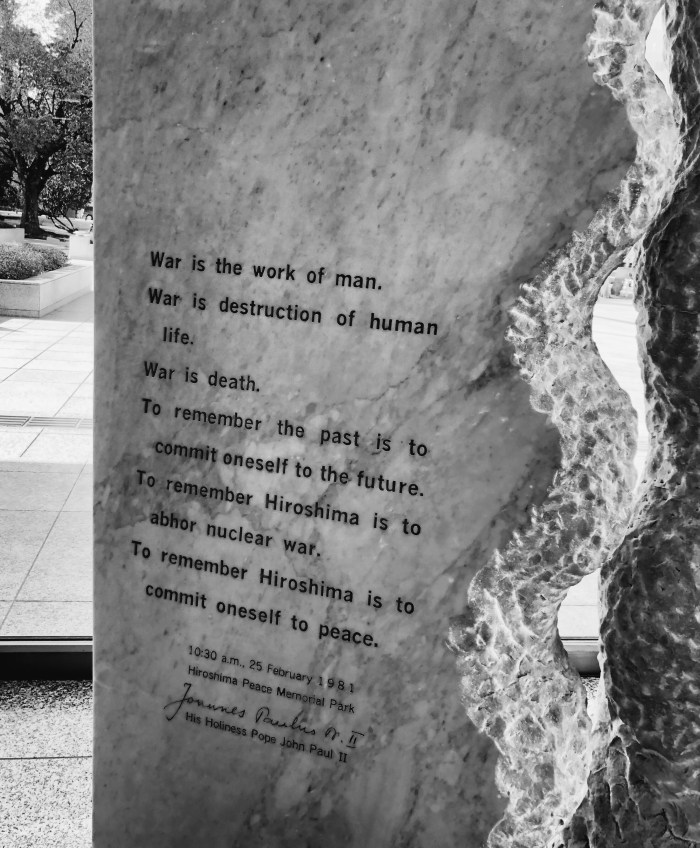
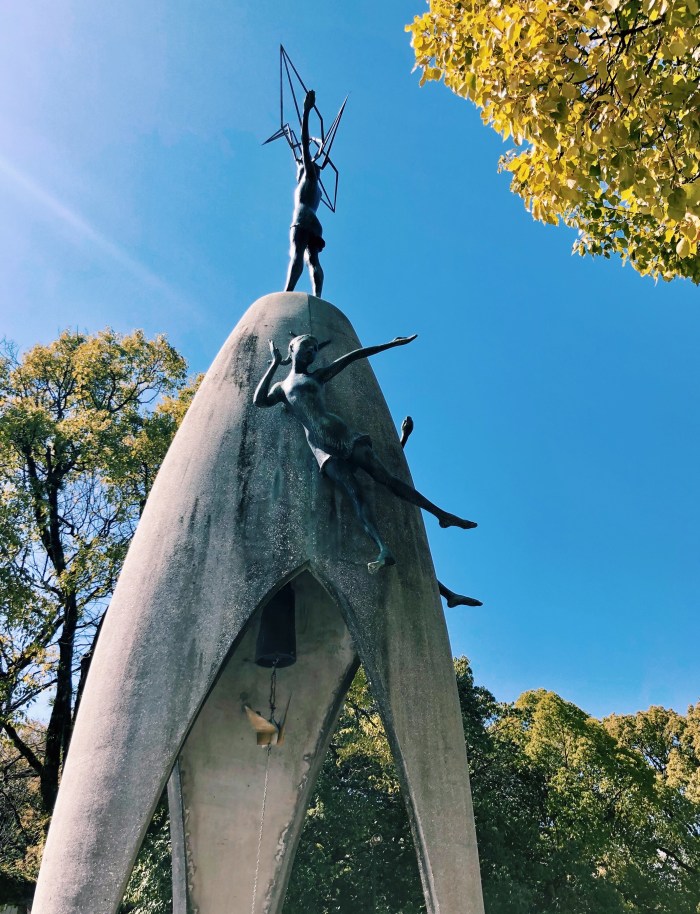
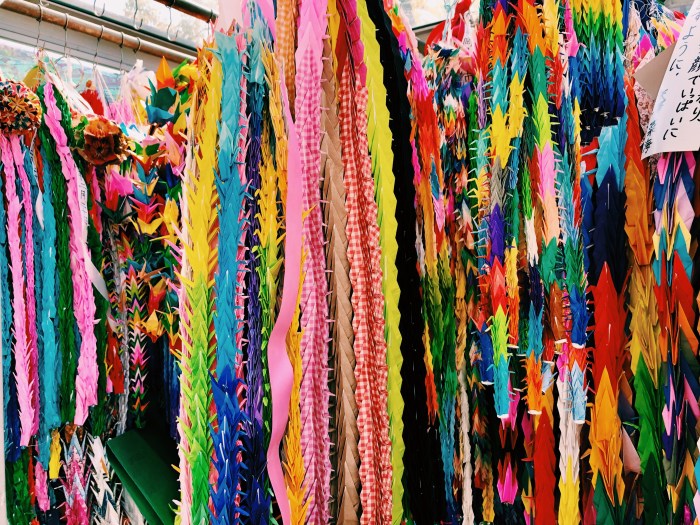
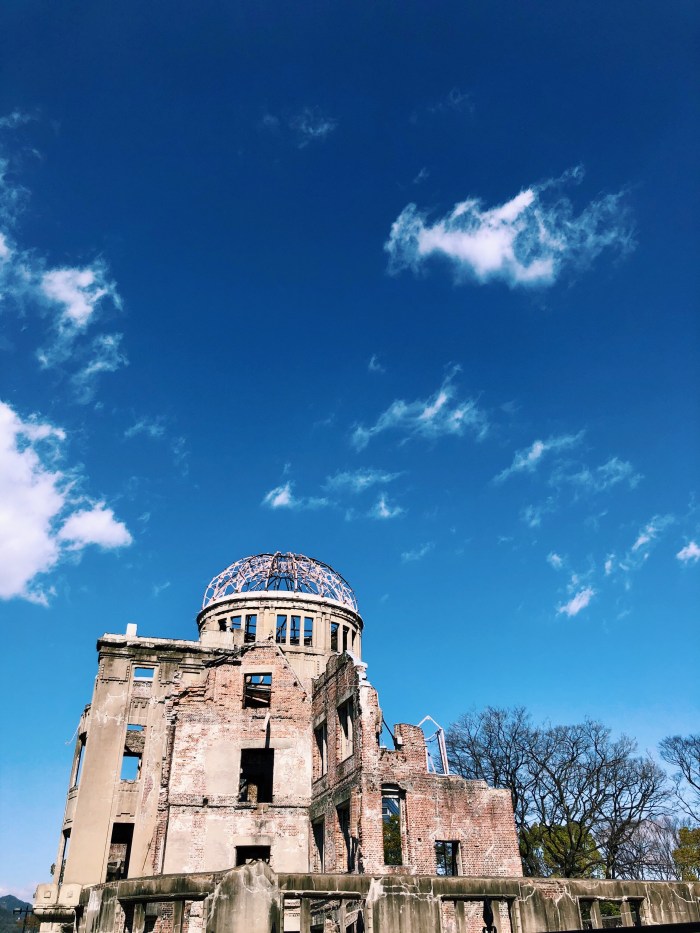
The next morning we got up and went to the Peace Memorial Museum. It was a profound experience and was most definitely difficult to get through certain parts of it. I thought it was extraordinarily well done and, though it could have, did not take a “screw America” take on the tragedy. By the end I felt that I had a much better understanding of the dangers of nuclear weapons and why there is such a push to eliminate them. We walked through the Peace Memorial Park, taking time to digest what we’d seen, and ended up at the Hiroshima dome. It was a heavy start to the day, without a doubt, but I’m very happy to have had the opportunity to see the museum and park.
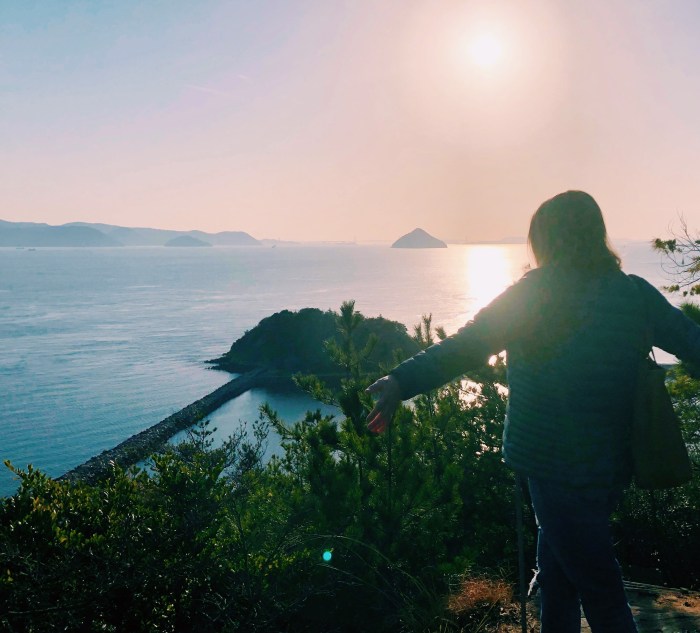
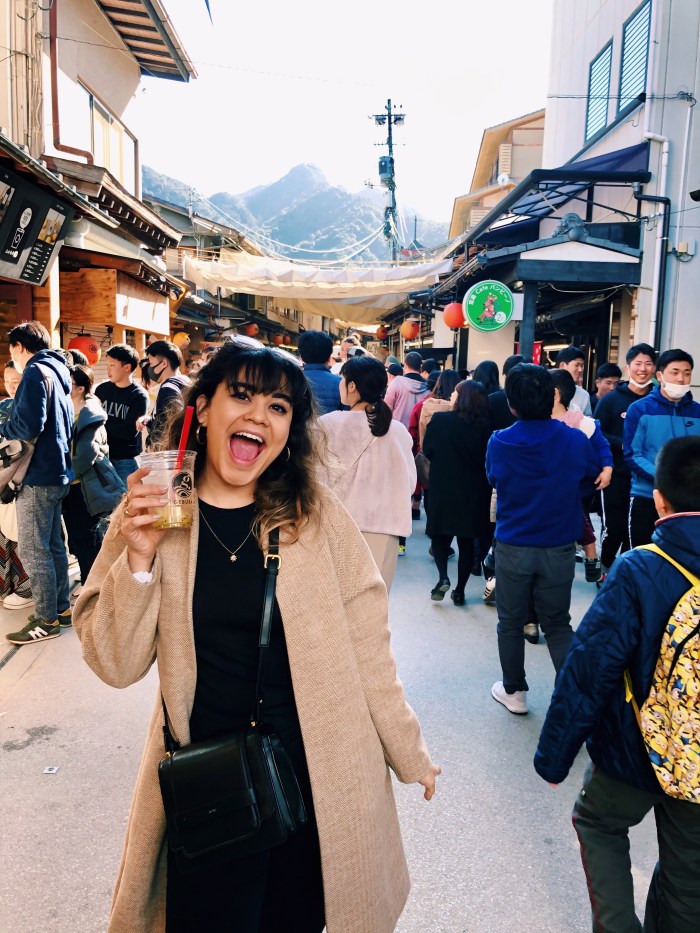
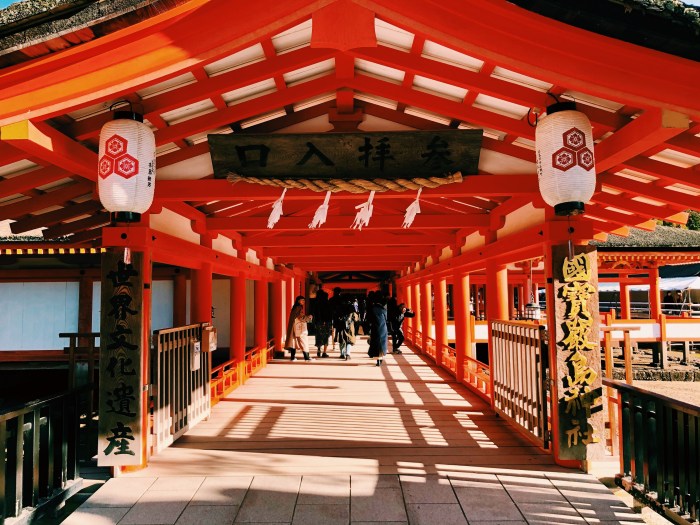
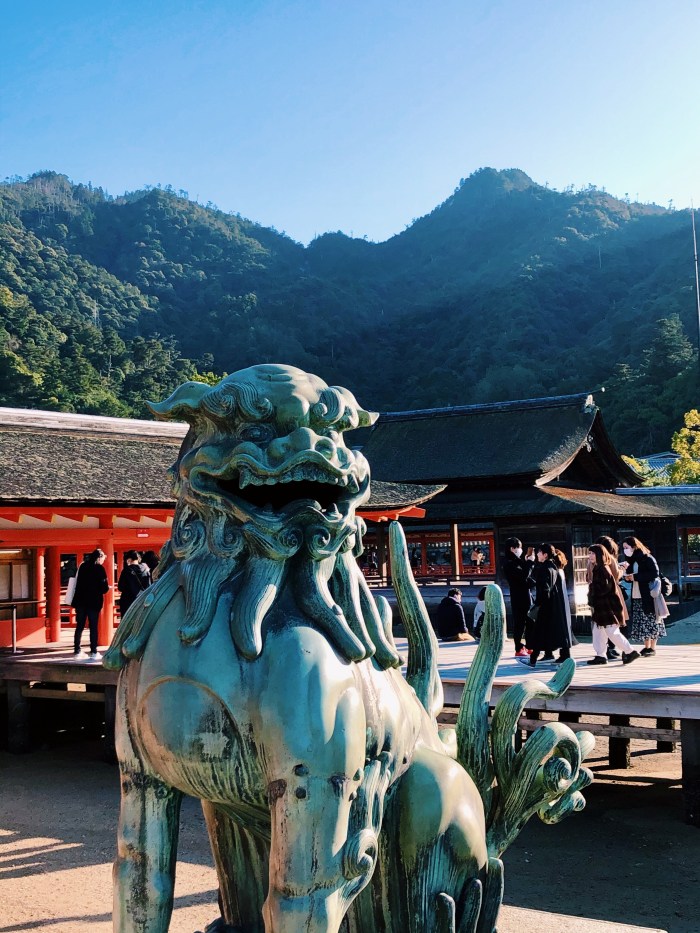
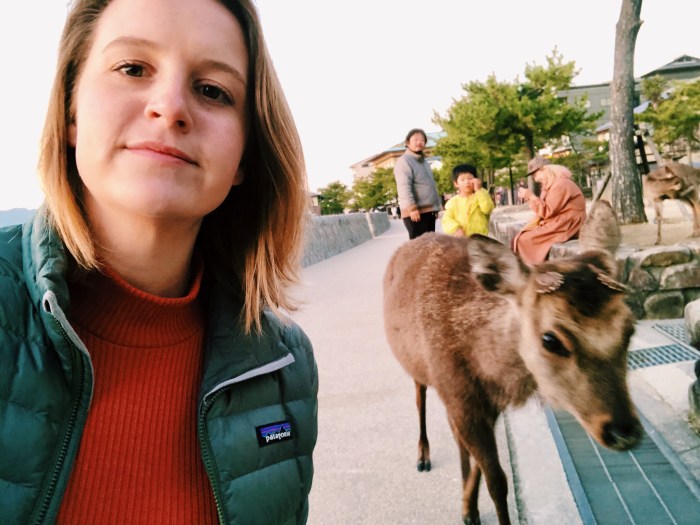
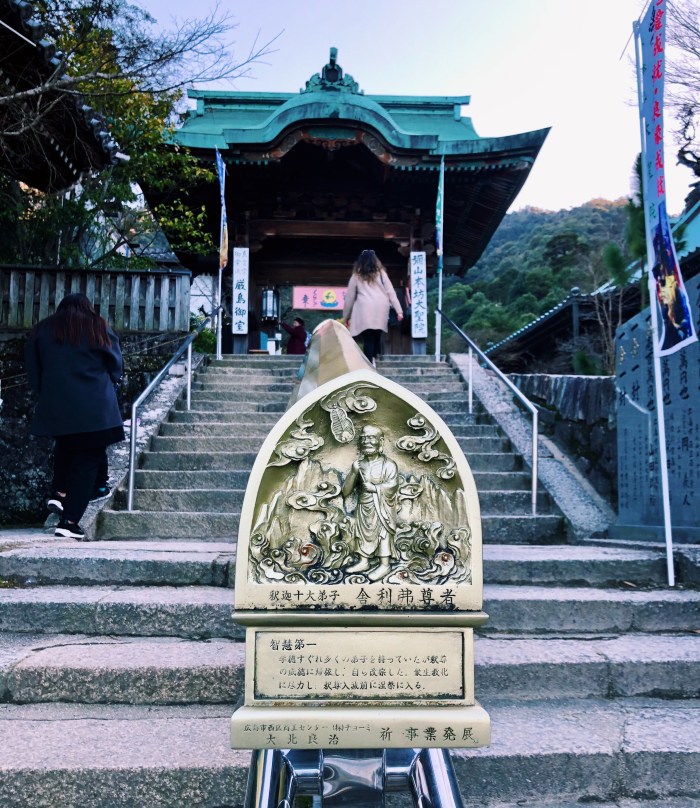
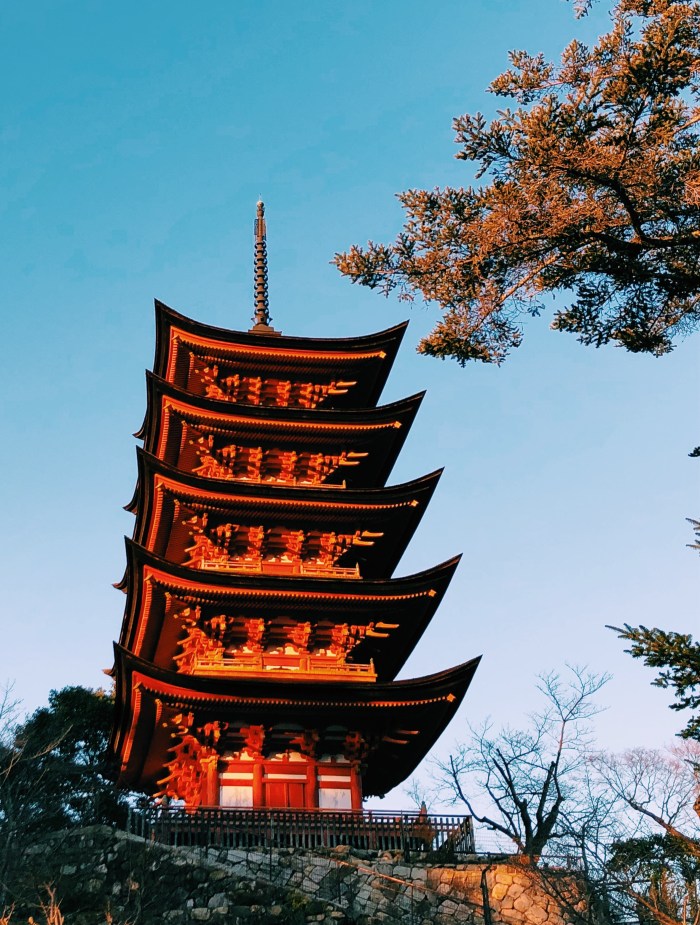
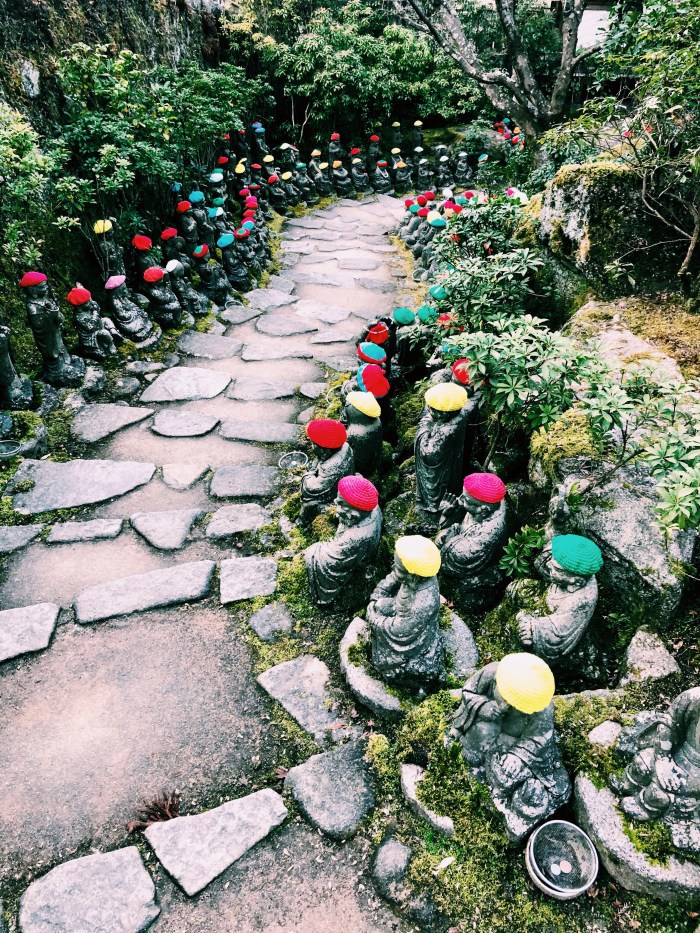
We made our way over to Miyajima Island, and, as Kitanna said, “I’ve taken more ferries in the past three days than I’ve taken in years.” Miyajima is particularly famous for the Itsukushima Shrine, or floating shrine, which of course is under construction for the next year and is completely shrouded. Despite not being able to see the shrine, we were able to enjoy a fun market on the island, as well as the company of deer who comfortably roam the streets with the tourists. We also went to two different temple complexes, and spent plenty of time enjoying the stunning views of the mountainous islands surrounding us. Funnily enough, I kept being reminded of Epcot while we were exploring Miyakima. It is probably the most quintessentially Japanese place I have visited thus far. Disney imitates it well!
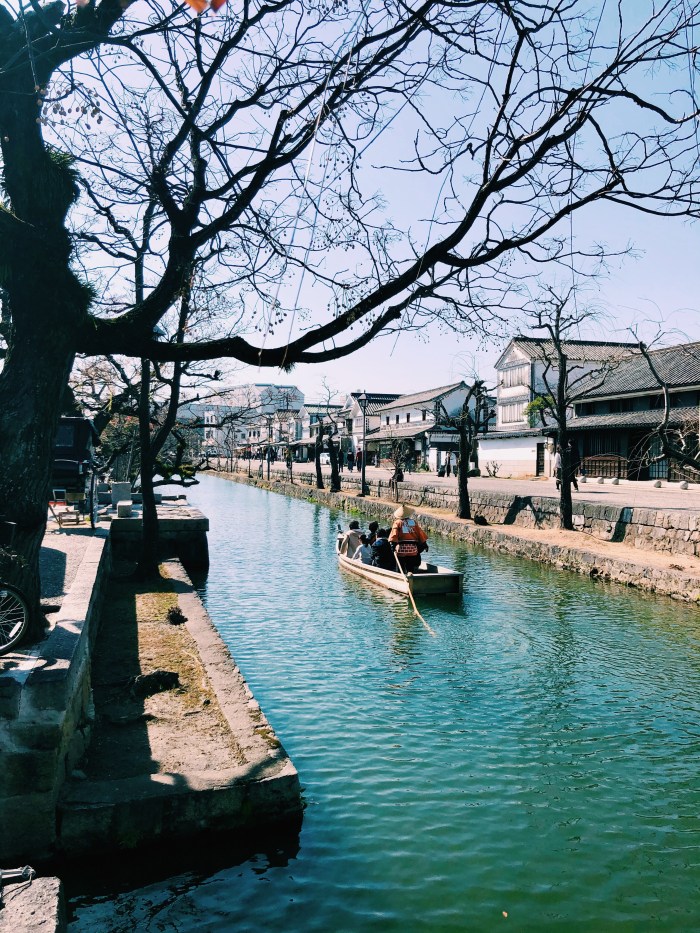
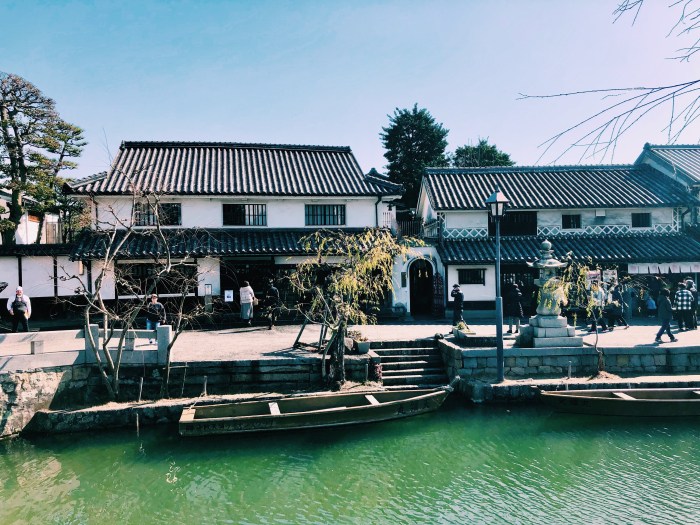
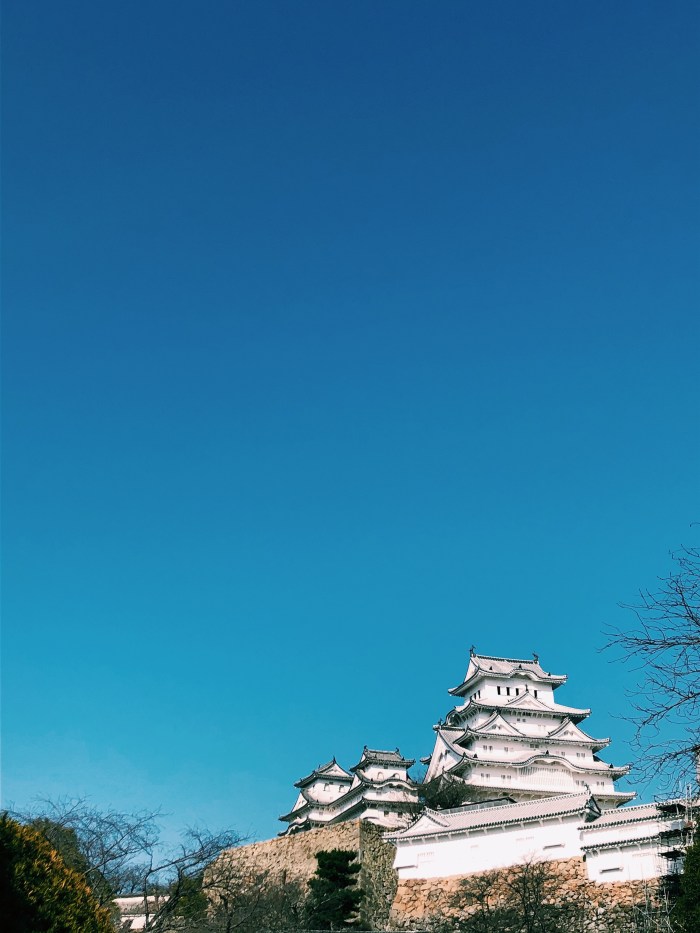
The next morning on our drive back to Ishikawa, we met up with Rosie and Josie in “Japan’s Venice,” Kurashiki. We had a quick stroll in the picturesque town, enjoying the views of willow trees dancing over the canal, before hopping back into the car and continuing our journey north. Our last stop before making our way home was Himeji Castle. It’s a UNESCO world heritage site, and had been on my list of places I wanted to see for a while. It is beautiful and is one of the best preserved castles in Japan. We enjoyed lunch, wandered around the castle, snapped a few pictures, then got back into the car to head home.
It was a wonderful four days, getting to explore a different region of Japan and checking off many items from my bucket list.

 Noodles with Nicki